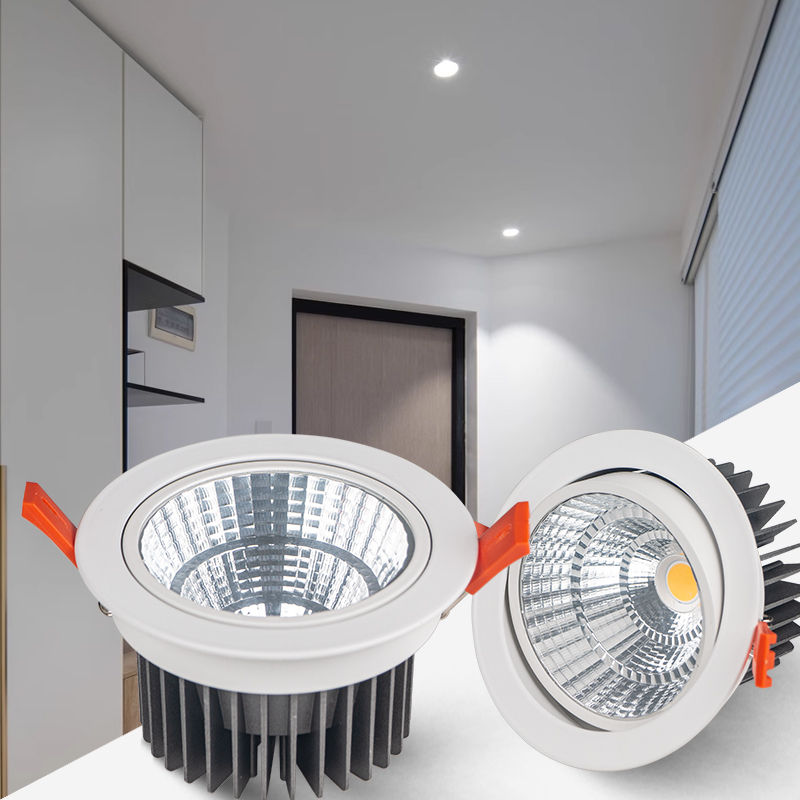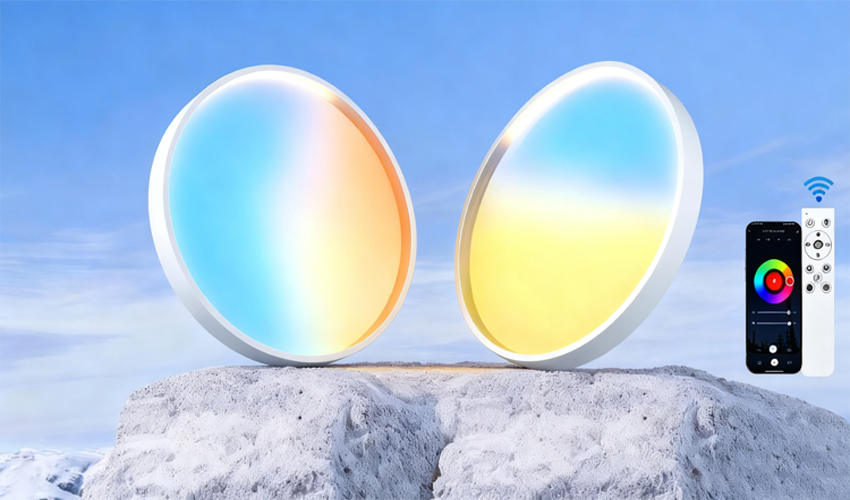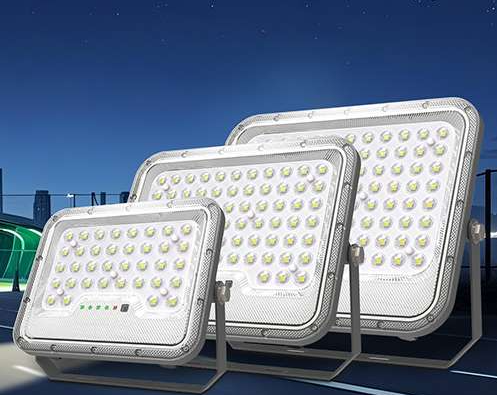
Flood lights are powerful illumination tools designed to cast a broad, intense beam over large areas, making them indispensable for outdoor security, architectural highlighting, sports venues, and more. In this comprehensive guide, we’ll explore the types of flood lights, key features, and practical applications to help you make informed decisions for your lighting needs. From energy-efficient LED solutions to smart motion-sensor designs, discover how flood lights can transform your space while optimizing performance and sustainability.
What Are Flood Lights?
Flood lights are high-intensity fixtures engineered to deliver uniform brightness across expansive zones. Unlike spotlights, which focus light narrowly, flood lights disperse light widely, covering areas like driveways, gardens, stadiums, and commercial complexes. Modern flood lights often integrate LED technology, offering superior energy efficiency, durability, and customization compared to traditional halogen or metal halide options .
Key Components of Flood Lights
- Light Source: LEDs dominate due to their long lifespan (25,000–50,000 hours) and low energy consumption, while halogen bulbs provide bright but inefficient illumination .
- Reflector & Lens: Direct light distribution and reduce glare, critical for security and sports applications .
- Housing: Weather-resistant materials (e.g., die-cast aluminum) ensure durability in harsh conditions, with IP65-rated models ideal for tropical climates like Singapore .
Types of Flood Lights: Choosing the Right Fit
The gold standard for modern outdoor lighting, LED flood lights combine energy efficiency (80% less power than halogen) with versatility. They offer adjustable color temperatures (2700K–6500K), instant full brightness, and minimal heat emission, making them safe for prolonged use .
- Applications: Home security, landscape ,commercial parking lots, and sports arenas .
- Key Features: IP65 waterproof rating, smart controls and compatibility with solar panels .
- Benefits: Zero electricity costs, low maintenance, and automatic dusk-to-dawn operation.
- Top Models: Look for MPPT (Maximum Power Point Tracking) technology to optimize energy usage .
3.Halogen Flood Lights
While less efficient than LEDs, halogen flood lights remain popular for their high lumen output (e.g., 100W halogen ≈ 1500 lumens). They’re best suited for temporary setups or budget-conscious projects but require frequent replacements .
How to Choose the Right Flood Light
1. Brightness (Lumens)
- Small Areas: 2000–5000 lumens (e.g., backyard patios).
- Large Spaces: 10,000+ lumens (e.g., sports fields, commercial complexes) .
- Pro Tip: Compare lumens across technologies—LEDs often outperform halogen at lower wattages .
2. Color Temperature
- Warm White (2700–3000K): Creates a cozy ambiance for gardens or pathways.
- Cool White (5000–6500K): Enhances visibility for security and task lighting .
3. Weather Resistance
Opt for IP65-rated flood lights to withstand rain, dust, and humidity, especially in tropical regions like Singapore .
4. Installation & Control
- Hardwired vs. Wireless: Solar and battery-powered models offer flexibility, while hardwired options ensure consistent power.
- Smart Features: Timer settings, smartphone apps, and motion sensors add convenience and energy savings .
Applications of Flood Lights
1. Security & Surveillance
- Flood lights deter burglars by eliminating dark spots. Combine with motion sensors and cameras (e.g., Ring Floodlight Cam) for real-time alerts and 24/7 monitoring .
2. Architectural & Landscape Lighting
- Highlight building facades, trees, or sculptures with narrow-beam flood lights to create dramatic visual effects. Use warm white LEDs to enhance curb appeal .
3. Commercial & Industrial Use
- Illuminate parking lots, construction sites, and warehouses with high-lumen LED flood lights, reducing energy costs by up to 80% compared to traditional systems .
4. Sports & Events
- Professional-grade flood lights, like Philips ArenaVision, ensure optimal visibility for athletes and broadcasters during night games. These systems minimize shadows and glare while supporting HD video production .
Future Trends in Flood Lighting
- Smart Integration: Voice-controlled flood lights and solar-powered IoT systems are gaining traction.
- Sustainability: Solar-LED hybrids and energy-efficient designs align with global climate goals, such as Singapore’s Marina Bay Street Circuit’s 30% energy savings .
- Customization: Adjustable beam angles and color-changing LEDs allow users to tailor lighting to specific activities or moods.
Conclusion
- Flood lights are more than just illumination—they’re essential tools for safety, aesthetics, and functionality. By prioritizing LED technology, weather resistance, and smart features, you can elevate your outdoor spaces while cutting energy costs. Whether you’re securing a home, enhancing a business, or hosting events, the right flood light ensures your environment shines bright, efficiently, and sustainably.Ready to upgrade your lighting? Explore our range of LED flood lights, solar solutions, and smart security systems to find the perfect fit for your needs.
.
Contact KONSEN Lighting Today to explore our range of led flood lights for outside and discover how we can customize solutions for your specific project needs.
📩 Email: huangjane182@gmail.com
📞 Tel: +86 18269292452